Oyster Shell Fabric: A Sustainable Textile Transforming Modern Apparel
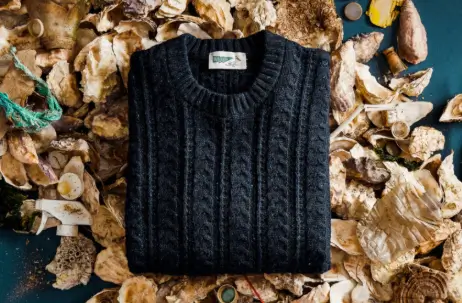
As sustainability becomes a key priority in the global textile industry, innovative materials are gaining attention for their ability to reduce waste while delivering high performance. One such material is oyster shell fabric, a next-generation textile that transforms marine waste into functional fibers.
By combining recycled oyster shells with recycled plastic, oyster shell fabric offers a unique balance between environmental responsibility and performance. This material is increasingly used in activewear, outdoor apparel, and everyday fashion due to its versatility and eco-friendly profile.
What Is Oyster Shell Fabric?
Oyster shell fabric is a sustainable textile made by processing discarded oyster shells into fine powder and blending them with recycled polyester fibers.
The production process involves cleaning, heating, and grinding oyster shells into micron-level particles, which are then embedded into polymer fibers during manufacturing.
This results in a composite material that mimics the softness of wool while offering enhanced durability and performance.
How Oyster Shell Fabric Is Made
Understanding oyster shell fabric requires looking at its production process.
First, discarded oyster shells are collected from farms and food industries. These shells are cleaned and calcined at high temperatures to remove impurities and convert them into usable mineral powder.
Next, the powder is blended with recycled PET plastic derived from used bottles. The combined material is melted and spun into fibers, which are then woven or knitted into fabric.
This process not only reduces waste but also creates a high-performance textile suitable for various applications.
Key Performance Benefits
One of the reasons oyster shell fabric is gaining popularity is its combination of functional properties.
It offers excellent thermal regulation, helping retain heat while remaining breathable. This is due to the natural insulating properties of oyster shell minerals.
The fabric also provides moisture-wicking performance, allowing it to absorb and release moisture efficiently. In addition, it has natural odor-resistant properties, as the porous structure of oyster shell particles helps absorb odors.
These features make oyster shell fabric suitable for both performance and lifestyle applications.
Sustainability Advantages
A major advantage of oyster shell fabric is its environmental impact.
Each year, large quantities of oyster shells are discarded, creating environmental challenges. By repurposing this waste, oyster shell fabric helps reduce landfill and marine pollution.
In addition, the use of recycled plastic bottles reduces reliance on virgin petroleum-based materials, supporting a circular economy model.
This dual recycling approach makes oyster shell fabric one of the more innovative sustainable textiles available today.
See also: The 10 Best AI Image-to-Video Generators of 2026
Applications in Modern Industries
The versatility of oyster shell fabric allows it to be used across multiple industries.
It is widely applied in sportswear and outdoor apparel due to its moisture management and insulation properties. It is also used in casual fashion, where comfort and sustainability are increasingly important to consumers.
Beyond apparel, oyster shell fabric can be used in home textiles and functional products that require durability and comfort.
Oyster shell fabric represents a significant step forward in sustainable textile innovation. By transforming marine waste into high-performance fibers, it addresses both environmental challenges and functional demands.
As the textile industry continues to evolve, materials like oyster shell fabric will play an important role in shaping a more sustainable and efficient future.